
Air Conditioner Shopping Guide 2026 (Latest Rating & Review)
Shopping Guide / Updated date 23-07-2026
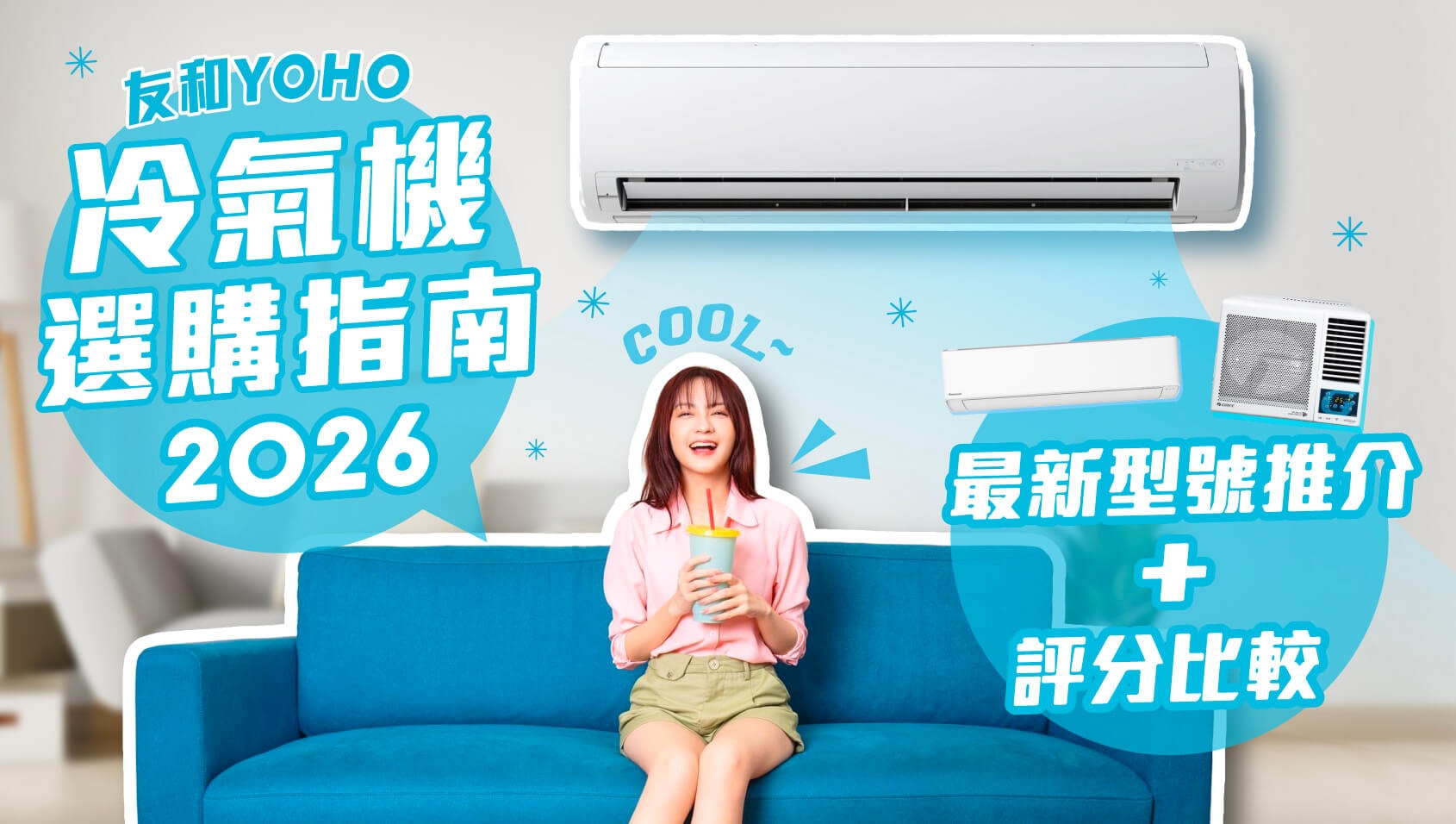
Looking for the best air conditioner in 2026? YOHO have compared prices and deals for top-selling brands like Panasonic, Daikin, Hitachi, Carrier, and Gree. This guide covers split-type, window-type, window-split, and portable air conditioners.
- Window Air Conditioner Recommendations
- Split-Type Air Conditioner Recommendations
- Window-Split Air Conditioner Recommendations
- Portable Air Conditioner Recommendations
- Consumer Council Ratings & Energy Saving Tips (Latest Split and Window-Type Reports!)
- Window vs. Split, Fixed-Frequency vs. Inverter, Cooling-Only vs. Heating & Cooling: How to Choose?
- 6 Essential Buying Tips
- Maintenance FAQs
Summer in Hong Kong is hot and humid, making air conditioners an essential household appliance. But do you know which brand of air conditioner is best? Are there any energy-saving models recommended? This article mainly introduces window-type, split-type, and window-split air conditioners—the main types considered by most households—as well as featuring select portable air conditioner models.
【Step 1 of Buying】If you don't know where to start with air conditioner categories, you can narrow down your choices by deciding on "Window / Split + Fixed-Frequency / Inverter + Cooling-Only / Heat Pump" first (click here to learn more), then check our recommended list to filter out your ideal model.
Window-Type Air Conditioner Recommendations & Deals >>>
Split-Type Air Conditioner Recommendations & Deals >>>
Popular Air Conditioner Recommendations 2026: Best-Selling Window / Split / Portable Models
Which air conditioner brand is good? Below is a comprehensive list of the latest highly-rated 2026 air conditioner models, covering both inverter and fixed-frequency options from 3/4 HP up to 2.5 HP. Top brands include Daikin / Hitachi / LG / Carrier / Gree, allowing you to easily select the right series for your home. This article is divided into Window-Type Air Conditioners, Split-Type Air Conditioners, and Window-Split Air Conditioners. Whether you are looking for inverter, fixed-frequency, cooling-only, or heating & cooling models, we have recommendations for all. Take a look now!
(Pro Tip: Click into the product pages to read real user reviews, check out special price offers across major AC brands, and find important details on site inspection fees and installation costs!)
Which Window Air Conditioner Is Best? Latest Best-Selling Inverter / Fixed-Frequency Recommendations
- Carrier CHK07EAVX Inverter Cooling Wifi Window Type Air Conditioner (Best Value Choice!)
- Gree GWF07P Inverter Cooling Wifi Window Type Air Conditioner
- Hitachi RAW-ZH07CCK Inverter Cooling Window Type Air Conditioner
- Carrier CHK07LAE Cooling Window Type Air Conditioner
- Hitachi RA-08RF Cooling Window Type Air Conditioner
- Gree GWA07MZ R32 Cooling Window Type Air Conditioner
Latest Inverter Window Air Conditioner Recommendations & Overview
Window air conditioners are easy to install, making them the top choice for many households. Among them, inverter models are more energy-efficient because when run continuously, their overall power consumption is lower than fixed-frequency units, saving energy and money. Below are 4 highly praised inverter window models featuring Grade 1 Energy Labels, R32 eco-friendly refrigerant, and independent dehumidification or air purification functions:
1. Carrier CHK07EAVX Inverter Cooling Wifi Window Type Air Conditioner 3/4 HP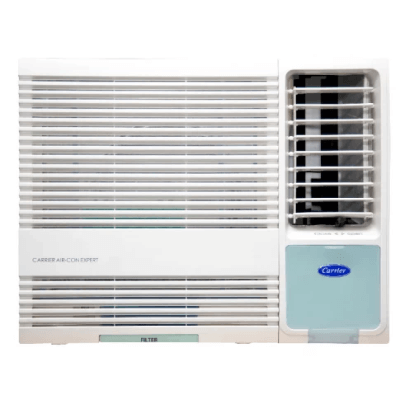
Carrier has always been a great budget-friendly pick. The EAVX series is an inverter window air conditioner offering Grade 1 energy efficiency, R32 refrigerant, independent dehumidification, and app control at an accessible price point, earning high praise for its price-performance ratio.
- 3-in-1 Nano Silver Negative Ion Dust Filter: Highly effective in antibacterial protection, air purification, and preventing mold and odor.
- Double Golden Fin Anti-Corrosion Protection: Applied to the internal front evaporator and rear condenser, with an anti-rust treated casing to protect against water and rust.
- Wi-Fi Remote Control: Download the mobile app to turn on the air conditioner anytime, anywhere, and adjust operating modes or temperatures on the go.
- Sleep Curve: Set hourly temperature adjustments before bedtime via the app—ideal for children and the elderly.
- ion PLUS High-Concentration Positive & Negative Ions: Delivers up to 4.6 million ions/cm³ to kill bacteria and purify air.
- Active Clean Frost Washing: Freezes the interior to trap dust, then melts the frost and blows cool air to flush away dust on the condenser and prevent bacterial growth.
- X-ECO Ultra Energy-Saving Mode: Intelligently adjusts operating modes to conserve energy and protect the environment.
- ECO Sleep Mode: Adjusts temperature during sleep to prevent over-cooling, ensuring a comfortable night's sleep while saving power.
- "Follow Me" Temperature Sensing: Built-in sensor in the smart remote detects surrounding ambient temperature; if room temperature exceeds preset levels, it boosts cooling for optimal comfort.
- 24-Hour On/Off Timer: Easily schedule power settings around your work, commute, and sleep routines to conserve energy.
- High Power Rapid Cooling Mode: Quickly cools down the room in an instant.
- Auto Uniform Air Supply: 60–120 degree wide swing distributes cool airflow evenly into every corner.
- Auto Restart Function: Automatically restores original settings when power is restored after an outage.
- Independent Dehumidification Mode: Ideal for damp and humid weather.
View More Horsepower Options: 1 HP (CHK09EX), 1.5 HP (CHK12EAVXP), 2 HP (CHK18EAVX)
2. Gree GWF07P Inverter Cooling Wifi Window Type Air Conditioner 3/4 HP 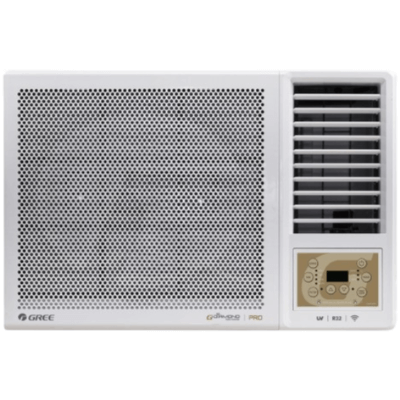
This Gree window air conditioner is the latest iteration of the series highly rated by the Consumer Council. Since its launch, it has received great feedback for its powerful cooling, quiet operation, and independent dehumidification function.
- G-PANEL Design
- Inverter Double Black Diamond Cooling-Only Window Air Conditioner
- G-DiAMOND Auto Inverter
- Operating Modes: Auto, Cool, Dry, Fan
- Auto Air Swing (Left/Right)
- MULTI FILTRO 3 Filtration System
- Wi-Fi Smart Control
- Operating Modes: Auto, Cool, Dry, Fan
- Auto Air Swing (Left/Right)
- Eco-Friendly Refrigerant: R32
- Energy Efficiency Grade: 1
View More Horsepower Options: 1 HP (GWF09P), 1.5 HP (GWF12P), 2 HP (GWF18P), 2.5 HP (GWF24P)
3. Hitachi RAW-ZH07CCK Inverter Cooling Window Type Air Conditioner 3/4 HP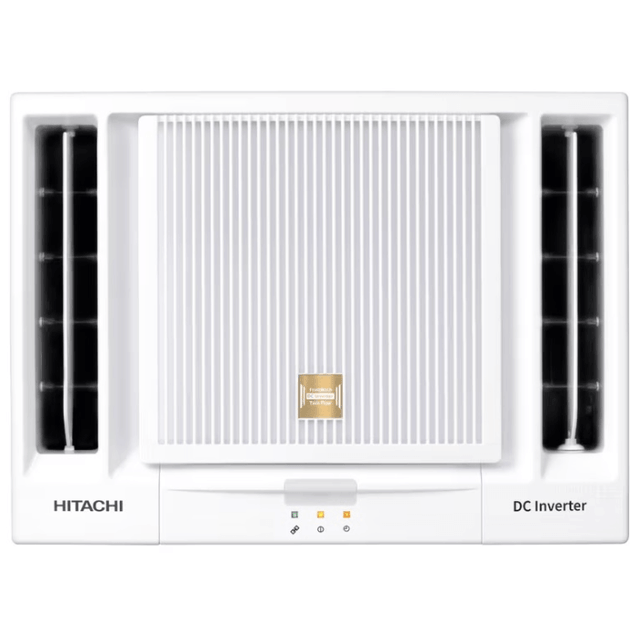
- Left/Right Air Outlets
- PM2.5 Wasabi Nano Titanium Air Filter
- Nano Titanium Stainless Steel Pre-Filter
- AQtiv-Ion Lite Reactive Oxygen Ions
- FrostWash Auto Cleaning Technology
- Extreme UV Clean Purification
- Wi-Fi Smart Control: airCloud Go App
- Air Sleep Timer Mode
- Blue Fin Protection Coating
- R32 Eco-Friendly Refrigerant
View More Horsepower Options: 1 HP (RAW-ZH10CCK), 1.5 HP (RAW-ZH13CCK)
Are Fixed-Frequency Air Conditioners Good? Fixed-Frequency Window AC Recommendations & Overview
Although inverter air conditioners are widely preferred, fixed-frequency window units remain popular choices. If you rarely leave your AC running for long periods, using a fixed-frequency unit alongside timer settings to shut off automatically can still effectively save power.
4. Carrier CHK07LAE Fixed-Frequency Cooling-Only Window Air Conditioner 3/4 HP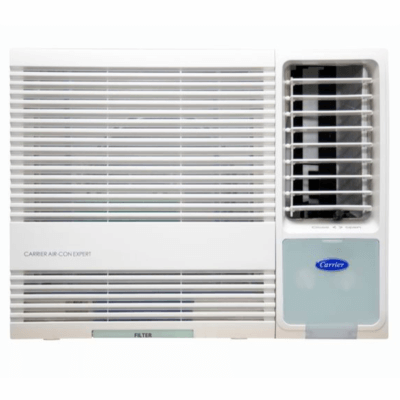
- 3-in-1 Nano Silver Negative Ion Dust Filter
- Double Golden Fin Anti-Rust Protective Coating
- R32 Eco-Friendly Refrigerant
- Grade 3 Energy Label
- Auto Uniform Air Swing System (60-120 degree wide swing)
- Easy-to-remove washable panel and filter with quiet, elegant design
View More Horsepower Options: 1 HP (CHK09LAE), 1.5 HP (CHK12LAE), 2 HP (CHK18LAE)
5. Hitachi RA-08RF Cooling Window Type Air Conditioner 3/4 HP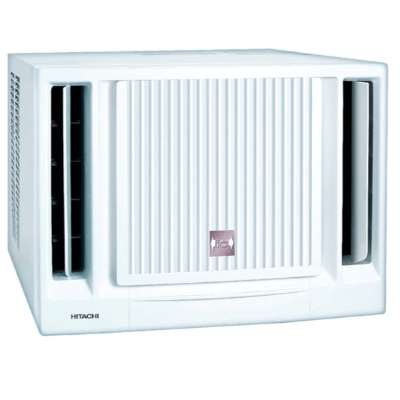
- All-New Purple Emblem Design
- R32 Eco-Friendly Refrigerant
- PM2.5 WASABI Nano Titanium Air Filter
- Nano Titanium Pre-Filter
- Left/Right Air Outlets
- Auto Swing Airflow
- Anti-Bacterial Powerful Turbo Fan
- Green Fin Coating Protection
- Drip-Free Design
- Low-Noise Body Structure
- Grade 3 Energy Label
View More Horsepower Options: 1 HP (RA-10RF)
6. Gree GWA07MZ R32 Cooling Window Type Air Conditioner 3/4 HP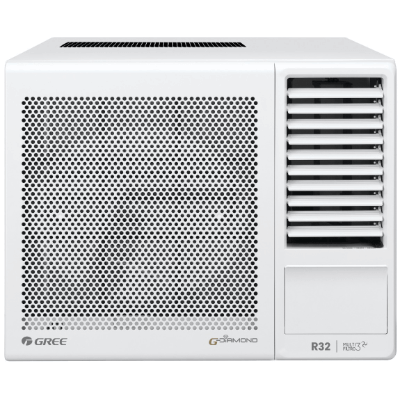
- Black Diamond Coating
- 3-in-1 Filter
- Silver Ion + Catechin + Anti-Dust Mite Filtration
- Anti-Rust Golden Fin Heat Exchanger System
- New Front Panel Design Ensures Efficient Air Circulation for Stable Indoor Air Quality
- Left/Right Auto Swing Air Supply
- Detachable Front Panel for Easy Cleaning
- 2 Fan Speed Selections
- Grade 4 Energy Efficiency
- Eco-Friendly Refrigerant: R32
View More Horsepower Options: 1 HP (GWA09MZ), 1.5 HP (GWA12MZ), 2 HP (GWA18MZ)
Popular Split-Type Air Conditioner Recommendations & Overview (Cooling-Only / Heat Pump)
- Daikin FTKD Inverter Cooling Only Wall Mounted Split Type (420 Series!)
- Mitsubishi MSY-GS18VF Inverter Cooling Split Type Air Conditioner
- Gree GIH18UZ Inverter Cooling & Heating Wifi Split Type AC
- Carrier 42KAF009V8 Inverter Cooling Split Type Air Conditioner
- Mitsubishi Heavy SRK25MHIP1 Inverter Cooling & Heating Split Type AC
If you are particularly sensitive to operational noise, we suggest considering split-type air conditioners. Since the compressor and heat exchanger responsible for cooling are located in the outdoor unit while the indoor unit only handles air delivery, operation is substantially quieter.
7. Daikin FTKD Inverter Cooling Only Wall Mounted Split Type (R32 420 Series)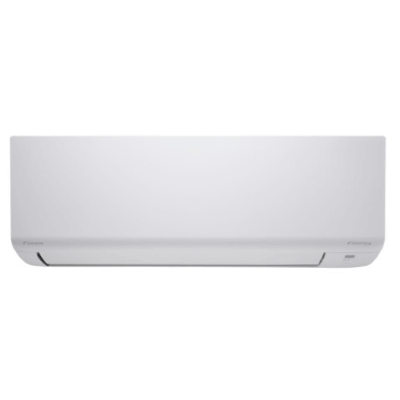
- Cooling Capacity: 2.58 kW / 8,800 Btu/h
- Power Consumption: 680 W
- Energy Label Grade: Grade 1
- Operating Noise Level: 26 - 39 dB(A)
- Airflow Volume: 6.51 - 10.76 m³/min (5-step adjustment)
- Indoor Unit Dimensions: 288 x 785 x 250 mm
- Indoor Unit Weight: 9 kg
- Outdoor Unit Dimensions: 418 x 695 x 244 mm
- Outdoor Unit Weight: 20 kg
- Piping Diameter: Liquid Line Ø6.4 mm, Gas Line Ø9.5 mm
- Maximum Piping Length: 20 m
- Refrigerant: R32
- 3D Airflow: Delivers cool air evenly to every corner
- Gin-ION Silver Ion Filter: Effectively inactivates viruses
- Optional Smart Control: Supports Daikin Mobile Controller app control
View More Horsepower Options: 3/4 HP (FTKD20ABV1H), 1.5 HP (FTKD35AV1H), 2 HP (FTKD50AV1H)
8. Mitsubishi MSY-GS18VF Inverter Cooling Split Type Air Conditioner 2 HP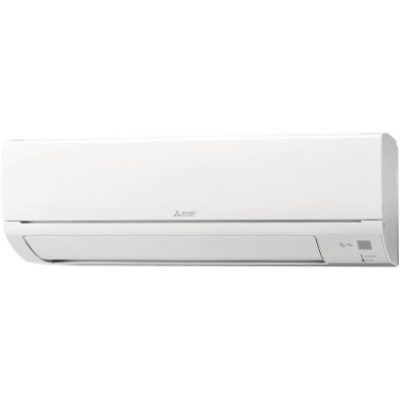
- Dual Barrier Coating
- Easy Clean Open Design
- Anti-Mold Air Filter
- Independent Computerized Dehumidification
- Fuzzy Logic Temperature Control
- Sleep Mode
- Ultra-Quiet Design
- 24-Hour On/Off Preset Timer
- Self-Diagnosis Function
- Anti-Corrosion Blue Fin (Outdoor Unit)
9. Gree GIH18UZ Inverter Cooling & Heating Wifi Split Type Air Conditioner 2 HP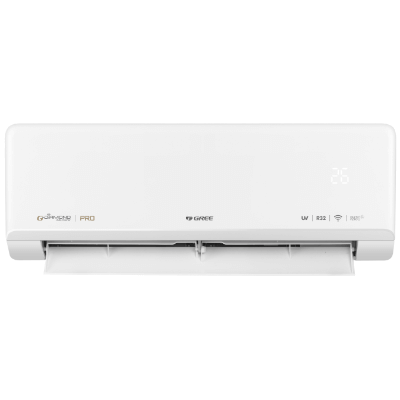
In addition to cooling-only units, heat pump models are available for year-round climate control. The Gree GIH18UZ series features Grade 1 Energy Efficiency, R32 refrigerant, and Wi-Fi control, offering 5-in-1 functionality: Auto, Cool, Heat, Dry, and Fan.
View More Horsepower Options: 1 HP (GIH09UZ), 1.5 HP (GIH12UZ), 2.5 HP (GIH24UZ)
10. Carrier 42KAF009V8 Inverter Cooling Split Type Air Conditioner 1 HP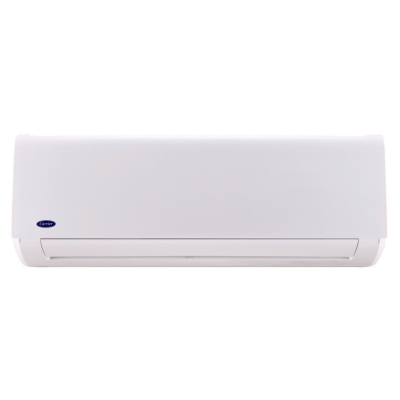
- 4-in-1 Cold Catalyst Activated Carbon Silver Ion Antibacterial Filter: Reduces toxic gases up to 95.5%, eliminates bacteria up to 99%, purifies air, and traps dust.
- ECO Sleep Energy-Saving Mode
- Independent Dehumidification Function
- Double Anti-Rust Protection Coating
- Grade 1 Energy Label
View More Horsepower Options: 1.5 HP (42KAF012V8S), 2 HP (42KAF018V8S), 2.5 HP (42KAF022V8S)
11. Mitsubishi Heavy SRK25MHIP1 Inverter Cooling & Heating Split Type Air Conditioner 1 HP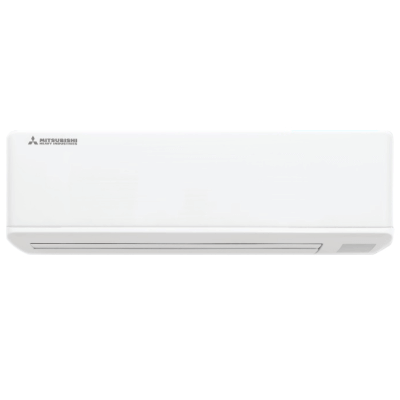
- UV-C Sterilization Technology with up to 99% antibacterial rate against E. coli, Staphylococcus aureus, and more
- Patented DC Inverter Technology, upgraded fan blade structure, and enhanced noise reduction operating as low as 21dB in cooling mode
- PAM+PWM Dual-Frequency Control Technology for ultra-fast, precise temperature control
- Triple Bacteriolytic Anti-Mold System with multi-stage filtration
- Grade 1 Energy Label
View More Horsepower Options: 1.5 HP (SRK35MHIP1)
Recommended Window-Split Air Conditioners
- Panasonic CS-U9CWA Window-Split Type Inverter Cooling Air-Conditioner
- Rasonic RS-U-CW Inverter Cooling Window-Split Type Air Conditioner
- Carrier 42KWS09VS Inverter Cooling Window-Split Type Air Conditioner
Besides traditional split-type units, we also recommend these top window-split air conditioners!
12. Panasonic CS-U9CWA Window-Split Type Inverter Cooling Air-Conditioner (1 HP)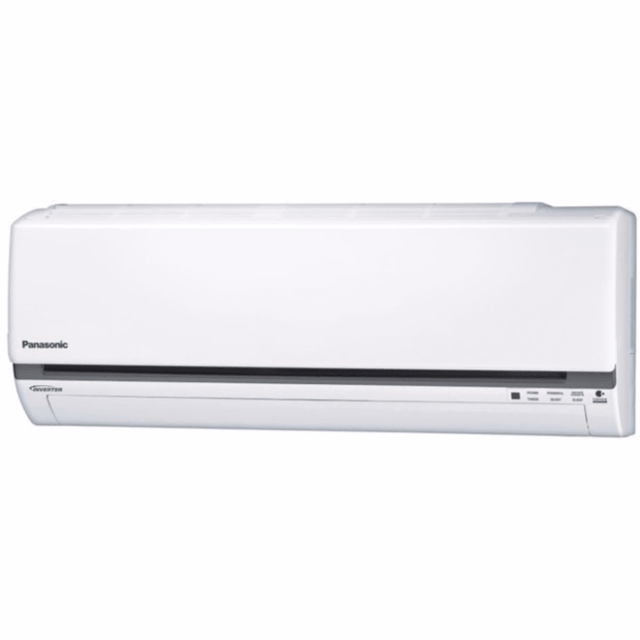
- R32 Eco-Friendly Refrigerant
- Compact outdoor unit designed to fit into existing window unit frames
- Innovative AEROWINGS airflow design with dual flap interior unit for flexible airflow distribution
- Anti-rust Blue Fin Condenser
- Powerful Fast Cooling Function
- Quiet Operation Mode
- 24-Hour On/Off Timer
View More Capacities: 1.5 HP (CS-U12CWA), 2 HP (CS-U18CWA)
13. Rasonic RS-U9CW R32 Inverter Cooling Only Window-Split Air Conditioner (1 HP)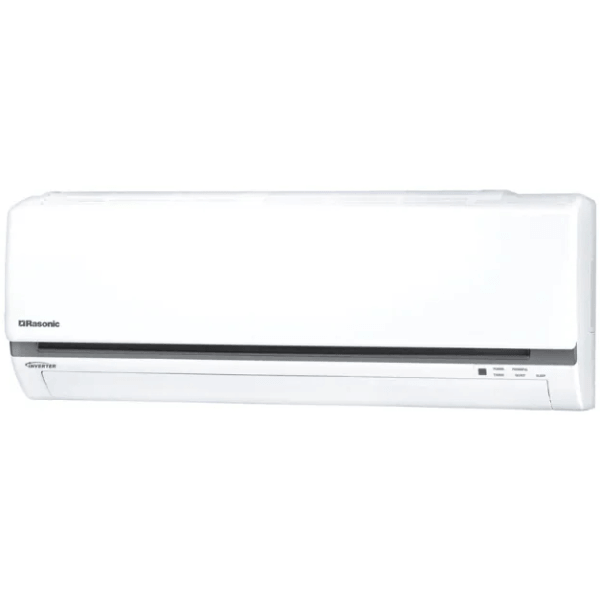
- R32 Eco-Friendly Refrigerant
- Vertical Airflow Control
- Powerful Fast Cooling
- Gentle Dehumidifying Function
- Quiet Mode
- 24-Hour On/Off Timer
- Blue Fin Condenser, includes wireless remote control
- Grade 1 Energy Label
View More Capacities: 1.5 HP (RS-U12CW), 2 HP (RS-U18CW)
14. Carrier 42KWS09VS Inverter Cooling Window-Split Type Air Conditioner (1 HP)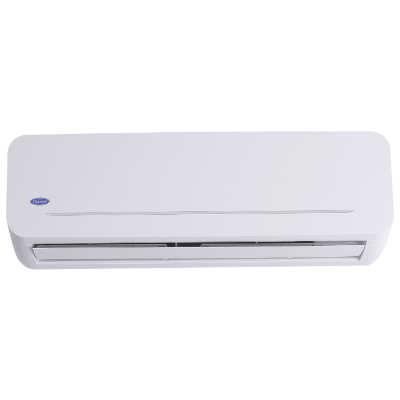
View More Capacities: 1.5 HP (42KWS12VS), 2 HP (42KWS18VS)
Best Selling Portable Air Conditioners
Portable air conditioners offer effortless mobility, with select ductless models requiring zero installation—just plug in and enjoy instant cooling.
15. Turbo Italy TAC-200R Portable Air Conditioner
- Powerful dehumidification, removing up to 15 liters per day (30°C, 80% RH)
- 1–24 hour smart programmable timer for energy-efficient operation
- Independent detachable dust filter for easy cleaning
- Built-in caster wheels for effortless mobility across different rooms and easy storage
- Powerful 2,000 BTU/Hr cooling capacity
- Temperature Range: 17°C–30°C
- Humidity Range: 30% RH–90% RH
- 1-Year Original Manufacturer Warranty
- Overall Dimensions: 325 x 275 x 585 mm (W x D x H)
16. Carrier PC-12MDK Cooling Portable Air Conditioner (1.5 HP)
However, over prolonged use, air filters inevitably accumulate dust, which lowers cooling efficiency. Regular maintenance and cleaning are essential to keep your air conditioner running at its best.
Consumer Council Air Conditioner Recommendations & Test Report: Latest Split-Type and Window-Type Ratings
Between 2024 and 2026, the Consumer Council conducted comparative tests on Inverter Split-Type Air Conditioners and Inverter Window-Type Air Conditioners. Below is a summary of the top-rated models:【Latest Consumer Council Ratings 2026】1.5 HP Inverter Split-Type Air Conditioners Test Results:
In 2026, the Consumer Council evaluated 13 models of 1.5 HP inverter split-type air conditioners available on the market, including 7 reverse-cycle (heat-pump) models and 6 cooling-only models. The report noted that while all tested models met Grade 1 energy efficiency standards, their energy-saving performance varied. Based on the Cooling Seasonal Performance Factor (CSPF), the sample with the highest cooling energy efficiency consumed approximately 33% less electricity than the lowest. For the 7 heat-pump models, calculations based on the Heating Seasonal Performance Factor (HSPF) showed the top performer saved up to 14% more electricity than the lowest.Therefore, the Consumer Council advises consumers to look beyond the general energy label and refer to the "Annual Energy Consumption" figure on the label to make precise comparisons of energy savings.
All 13 tested 1.5 HP inverter split models achieved an overall score of 4 stars or above. Below are the 7 top-rated models awarded 4.5 stars, comprising 6 heat-pump models and 1 cooling-only model.
Top-Rated 1.5 HP Inverter Split Models by Consumer Council (4.5 Stars):
- Mitsubishi Heavy SRK35ZSXH-WF
- Mitsubishi Electric MSZ-LN12VFB
- Panasonic CS-RZ12BKA
- Rasonic RS-RZ12BK
- Gree GSY12BXA
- Daikin FTXJ35MV1HW
- Carrier 42KHE012V8S
【2 HP Split-Type Ratings】2 HP Inverter Split-Type Air Conditioners Test Results:
The Consumer Council's 2025 air conditioner test evaluated 12 models of 2 HP inverter split air conditioners (5 reverse-cycle heat pumps and 7 cooling-only models), covering cooling efficiency, power consumption, noise levels, and pricing.
Tests revealed a difference of over 27% in cooling efficiency between the highest and lowest performers, highlighting significant variations in energy-saving performance across brands and models. A total of 6 models earned a high 4.5-star rating, featuring major brands like Mitsubishi Heavy, Gree, Midea, Daikin, Panasonic, and Carrier. When making a purchase, consumers are advised to focus on energy efficiency (CSPF), actual cooling capacity, noise levels, installation fees, and after-sales services (such as warranty periods and renewal costs).
- Mitsubishi Heavy Industries SRK50ZSXH-S
- GREE GSY18BXAE
- Midea MS-18HRF8B
Top-Rated 2 HP Cooling-Only Split Models (4.5 Stars):
- DAIKIN FTKP50MV1H
- Panasonic CS-RU18YKA / CU-RU18YKA
- Carrier 42KHE018VS 【Great Value Pick!】
【Window Air Conditioner Ratings】Cooling-Only Inverter Window Air Conditioners:
In 2024, the Consumer Council tested 14 models of 1 HP cooling-only inverter window air conditioners, assessing cooling capacity, noise levels, energy label grades, and estimated electricity costs. Two models earned a top overall score of 4.5 stars, including the Panasonic CW-HU90AA and Rasonic RC-HU90A.
Full list of models rated 4 stars or above: Click HereConsumer Council's 8 Tips to Save on Air-conditioner Electricity Bills
- Avoid installing the air conditioner in a location exposed to direct sunlight.
- Do not block the air inlet and outlet of the air conditioner
- In summer, you can draw the curtains to avoid direct sunlight into the room, and try to close the doors and windows to maintain the indoor temperature.
- The power consumption of fans is much lower than that of air conditioners. By turning on the air conditioner and the fan at the same time and blowing the cold air closer to the user, the temperature setting of the air conditioner can be increased to save electricity.
- If the air conditioner has a timer, you can set the shutdown time to avoid using it for too long or forgetting to shut it off.
- When the weather is cooler, use fans instead.
- During the summer, it is recommended to clean the dust screen, air inlet and outlet every two weeks.
- Using the heating function of the air conditioner in winter is much more energy-saving than using a furnace or fan heater.
Common AC FAQs & Usage Tips
Q1: What should I do if my AC has a weird smell?
Odors are usually caused by mold or dust buildup inside the unit. Check the interior with a flashlight for mold or debris, and clean the dust filter regularly. If the smell persists, some brands recommend setting the AC to 16°C for 1 hour with all windows open to "flush out" the odor. Afterward, remember to turn the temperature back up and close the windows to avoid wasting electricity.
Q2: What should I do if my AC isn't cooling enough?
There are several reasons for this: dusty filters, dirty condenser coils, or low refrigerant. Try cleaning the filters and the interior first, or hire a professional technician to check the refrigerant levels.
Q3: How do I fix a noisy AC?
Noise is often caused by loose parts, compressor vibration, high fan speeds, or dust blockage. You can try installing rubber vibration-dampening pads under the outdoor unit or wrapping the compressor in sound-insulating foam. Lowering the fan speed and regular cleaning also helps. If the problem persists, consult a professional technician.
Use "Fan Mode" to Clear Out Bacteria and Dust
If you haven't used your AC for a while, be sure to set it to "Fan Mode" for at least half a day before regular use. This helps dry out the internal components and removes moisture, preventing you from breathing in bacteria or mold that may have accumulated, which can cause allergies.
Maintenance Tips: Removing Moisture
Especially during humid, rainy, or typhoon seasons, try switching to "Fan Mode" before turning off your AC. This removes moisture from the unit and prevents mold growth. Regular maintenance and cleaning will make your AC last longer and reduce your energy consumption.
Notes on Refilling Refrigerant
If you suddenly notice your AC isn't cooling, you might think it needs more refrigerant. However, it is essential to have a technician check for leaks in the pipes and components first. Simply adding more refrigerant without fixing a leak is a waste of time and money.
Should I turn off the AC when I leave the house? How can I save more?
Method 1: Adjust the temperature.
If you are leaving for only about 2 hours, simply raise the temperature by 1–2 degrees. This is more efficient than turning the unit off and on again, which forces the compressor to restart and consume more power.
Method 2: Choose an Inverter model.
Inverter models are significantly more efficient. Many users report drastic drops in their electricity bills after switching from old, inefficient units to modern inverters.
Method 3: Use with a circulation fan.
For the best cooling and energy efficiency, use a circulation fan alongside your AC. Set the AC to 26–28°C and place the fan under the AC, pointing towards the diagonal corner of the room. This circulates the cool air effectively and saves electricity.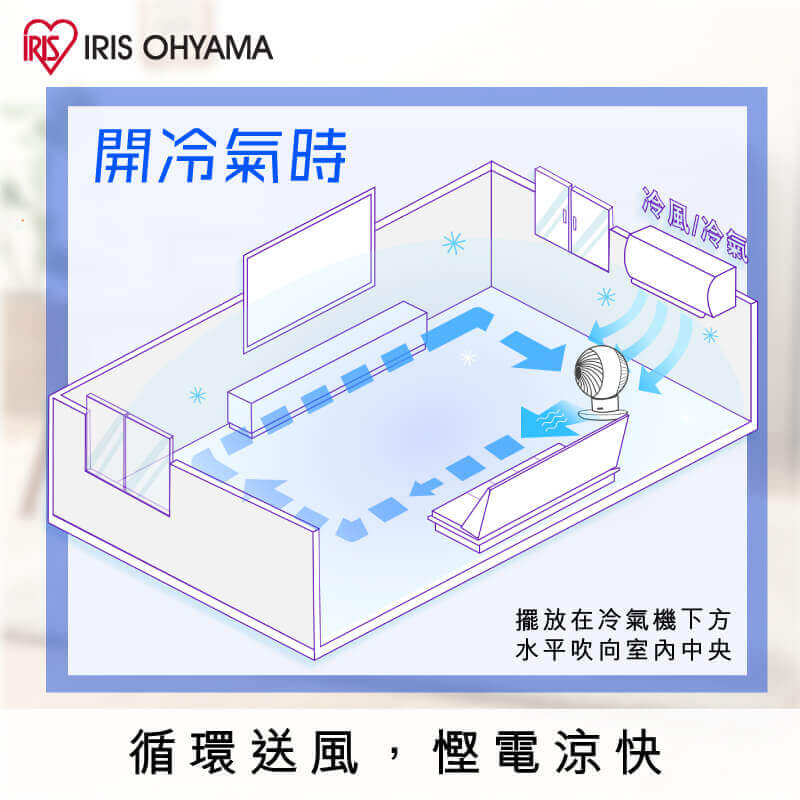
Types of Air Conditioners
Window air conditioners
This type of air conditioner is usually installed on a window frame or a special air conditioner stand with a metal bracket. Some models are even equipped with a remote control and time button.

Split Air-Conditioner
This type of air conditioner is composed of an indoor unit and an outdoor unit. Because the compressor is installed outdoors, it is quieter than the window type when used. Split air conditioners are generally equipped with a remote control and time button.

However, some split-type air conditioners on the market are designed as "window split type", and most of them are called "slim type" or "slim series" split units. Although the appearance of the machine is not much different from the general split machine, it can be installed in most window positions, is smaller in size, and is easier to install.
Inverter air conditioners
This air conditioner has the same window and split designs as the traditional air conditioners (cannot heating), and the more common as split type. The difference between a inverter air conditioner and a general air conditioner is that the snow in a general air conditioner can only flow in one direction to take the indoor heat out of the room; while the snow in a inverter air conditioner can reverse the flow direction.
The air conditioner can provide cooling in the summer, bring outdoor heat into the room in the winter, and blow out warm air at the outlet location.
How to choose an air conditioner? You can consider the points listed below:
Fixed-frequency VS inverter air conditioners
What is fixed-frequency air conditioners?
Fixed frequency air conditioners always maintain a certain output power. When the room reaches a predetermined temperature, it stops running and does not restart until the air conditioner's temperature sensor senses that the temperature in the root room is higher than the set temperature.By adjusting the room temperature by repeating pauses and restarts from time to time, the process causes the room to fluctuate greatly and consumes more power.
However, fixed-frequency air conditioners are cheaper.
What is inverter air conditioners?
Inverter air conditioners automatically adjust the output power according to changes in room temperature. It uses electronics to adjust the operating frequency. Running at a high speed at the beginning of the start-up, the temperature of the room can reach the set cooling level faster.
When the temperature difference in the room is reduced, it is switched to slow operation to maintain a constant temperature to make users feel comfortable. Inverter air conditioners can make room temperature fluctuations less and consume less electricity.
However, inverter air conditioners are more expensive than others.
Air conditioner shopping guide:
1. Power unit comparison table
"Horsepower"(HP) is the unit of power of an air-conditioner. The large number of horsepower of the air-conditioner also means that it consumes a lot of electricity and has a high cooling capacity.
In general, the larger the number of horsepower, the larger the cooling area.
| Horsepower | Refrigeration area |
| 1HP | 100-200ft |
| 1.5HP | 160-280ft |
| 2HP | 230-300ft |
| 3HP | 330-400ft |
Although the larger the number of air-conditioners, the cooler they are when to use, they also bring huge power consumption. Therefore, it is enough to choose the right one.
2. Refrigeration capacity
The cooling capacity of an air-conditioner is very important. The refrigerating capacity of an air-conditioner is generally expressed in terms of cooling capacity. The unit is usually kilowatts (kW) or British thermal units per hour (BTU/h). A high value means a high refrigerating capacity. The choice of appropriaterefrigerating capacity depends on different circumstances, such as the size of the room, the location of the room, the number of residents, etc.
Room size
When buying an air-conditioner, remember to know the size of the room so that the indoor temperature is too low or too high when using it. When you know the volume of the room, you can refer to the cooling capacity of different air conditioners to choose.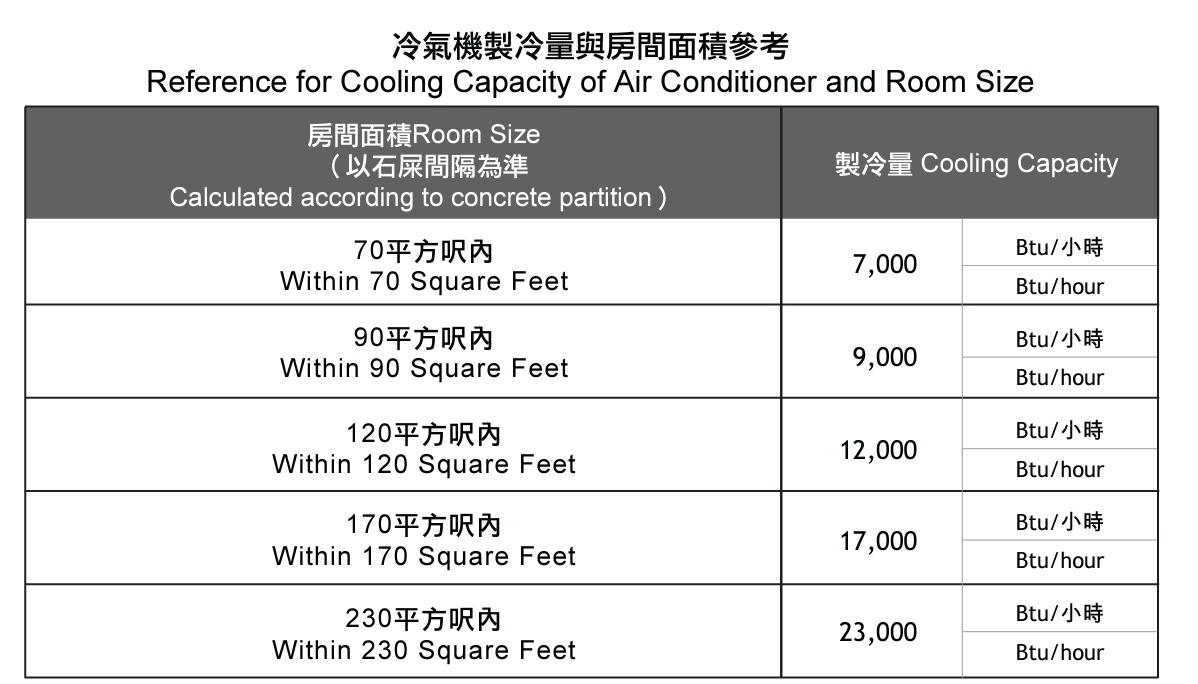
3. Placement
In addition to room size, there are other relevant factors that should be paid more attention to. For example, whether the face of the room is constantly exposed to sunlight. In addition, if you live on a higher floor, if you live on a higher floor, it means that the direct sunlight on the room makes the indoor temperature high, and the load on the air conditioner is also greater.
4. Energy efficiency, power saving
The cooling energy efficiency of an air-conditioner is generally expressed in terms of Energy Efficiency Ratio (EER). Energy efficiency ratio refers to the ratio of cooling capacity to electricity consumption, i.e. how much cooling capacity can be converted into each unit of electricity consumption.
A higher value for the energy efficiency ratio indicates that the cooling is more energy efficient and more energy efficient.
In addition, if you want the air-conditioner to be more power-efficient, you can use it with a circulating fan. However, there is knowledge in the position of the circulating fan, and it is more energy-saving to put it in the right position.
5. Noise
The air conditioner will make a certain sound when it is running. If the noise generated during operation is too loud, it will affect the quality of life. Therefore, consumers can do research before making a purchase. Take a look at the opinions of other users of your favourite air-conditioner style, and then compare the different options to choose the best one.
6. Function
Conventional air-conditioners are equipped with a basic filter to keep out particles and dust in the outdoor air. With the development of technology, today's air conditioners even have built-in UV air filtration systems, anti-oxidant filters and other functions.
Installation
InstallationWhen purchasing an air-conditioner, pay attention to whether the price includes the basic installation, and also pay attention to the items included in the basic installation of different brands and retailers. Therefore, you should check the relevant information and details before purchasing. If you are unsure about the installation cost, you can ask the retailer if they can come to your home to see the situation and quote the price, but there may be a fee for this service.
Save electricity
When purchasing for an air-conditioner, remember to pay attention to the energy label on it. There are five levels of energy efficiency, with Level 1 being the highest, i.e. the most energy-efficient and cost-saving, and Level 5 being the lowest. Therefore, consumers should refer to the annual electricity consumption and cooling capacity listed on the energy label when purchasing, compare different models of air-conditioners, and choose the most energy-efficient one.
According to the EMSA report, when purchasing window air-conditioners, choosing energy efficiency level 1 will save 25% of energy compared to level 5. Choosing a split-type air-conditioner can save 61% of energy compared to Level 5 for energy efficiency.

7. Maintenance
With good maintenance services, you can make your air-conditioner last longer. Consumers should check the warranty period and items provided by the manufacturer at the time of purchase. Most new machines have a warranty period ranging from 1 to 3 years. The warranty period of the compressor in the machine is longer than that of the whole machine, generally 5 years. The renewal premium ranges from $510 to $1500.
Usually during the warranty period, you can get free on-site inspections in urban areas, but if you live in remote areas, you will be charged a fee ranging from $130 to $420.
With good maintenance services, you can make your air-conditioner last longer. Consumers should check the warranty period and items provided by the manufacturer at the time of purchase. Most new machines have a warranty period ranging from 1 to 3 years. The warranty period of the compressor in the machine is longer than that of the whole machine, generally 5 years. The renewal premium ranges from $510 to $1500. Usually during the warranty period, you can get free on-site inspections in urban areas, but if you live in remote areas, you will be charged a fee ranging from $130 to $420.

FAQ 1: How do I choose between Inverter and Fixed-speed air conditioners? Which one is more energy-efficient?
When choosing, always check the energy label on the product. Models with a "Grade 1" energy label offer the highest energy efficiency, which saves more electricity in the long run and helps reduce your utility bills.
Additionally, inverter air conditioners consume less power and are significantly more energy-efficient than traditional fixed-speed models.
FAQ 2: How do I decide between "Cooling-only" and "Heat Pump" (Cooling/Heating) models?
You should choose based on your specific climate needs and budget. Cooling-only models are generally more affordable than heat pump models, making them a great choice if you are budget-conscious, don't mind the cold, or already own a space heater. Heat pump models are versatile and can be used year-round—providing cooling in the summer and heating in the winter.
FAQ 3: What should I keep in mind when installing an air conditioner?
In Hong Kong, air conditioner installation is subject to government regulations. Whether you are living in a public housing estate or a private building, there are specific installation guidelines and requirements regarding the placement and mounting of the units.
"The content is translated to English based on the original chinese version by AI tool."

Related Product


Over
100,000Products

Available In Stock

Over
2,000Pick-Up Points

Home Delivery
Cooperation
Supplier
Sell with us
Sell to China (Mainland)
Y Innovation
Y Charity
Y Incubator
Wholesale & Gifts
Get YOHO Gift Card
YOHO Advertising
Partnership
Delivery driver jobs
Payments


No Fakes Pledge




No Fakes Pledge


